Building on strong foundations
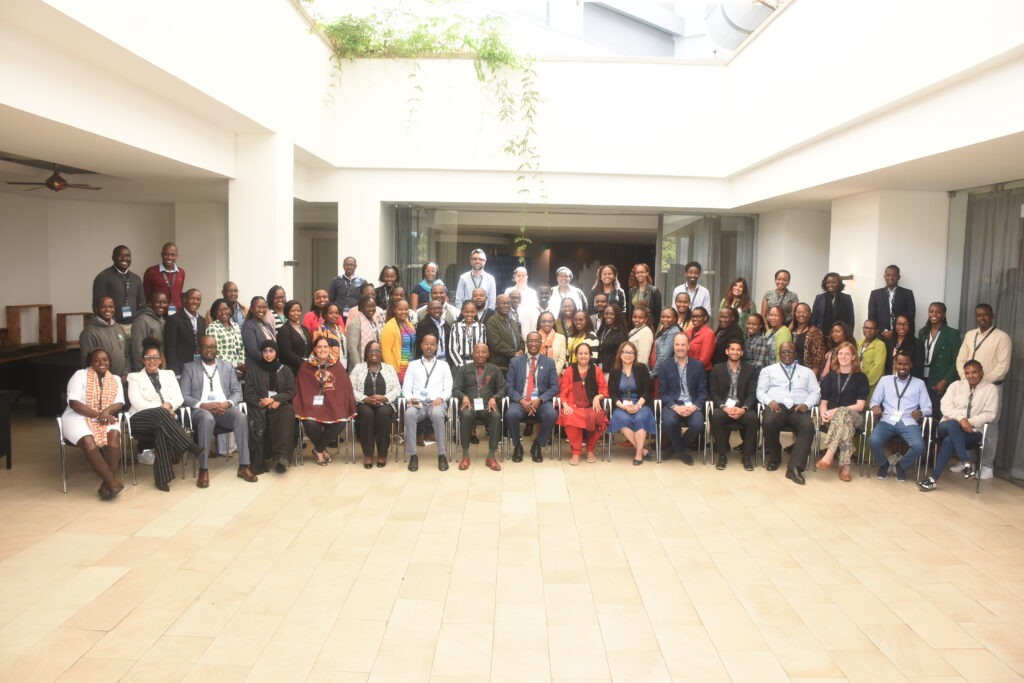
Kenya’s healthcare professionals have demonstrated a solid understanding of AMS principles. The timing of this course was ideal, as many participating centers are now ready to move beyond foundational knowledge and focus on implementing AMS strategies in real-world clinical settings. The course was designed to bridge this gap, equipping participants with practical tools and methodologies to address their most pressing antibiotic use challenges, ranging from prolonged prophylaxis to inappropriate culture sampling.
Behavioral science
A core feature of the drive-AMS course is its emphasis on behavioral science. Participants learned how to apply behavior change methodologies to the execution of local AMS projects. The process is structured and collaborative: after the course, each team returned to their home institutions to work closely with assigned tutors over the next 18 months. Their journey includes:
- measuring: using the Global Point Prevalence Surveys (G-PPS), audits, and quantitative metrics to assess current practices;
- barrier analysis: identifying obstacles that hinder optimal antibiotic use;
- intervention mapping: linking identified barriers to effective, evidence-based interventions;
- implementation: rolling out targeted interventions in their local context;
- re-measurement: evaluating the impact of these interventions to ensure continuous improvement.
This structured, grassroots approach makes behavioral science not only accessible but also actionable in daily AMS practice.
Fostering collaboration
As more AMS initiatives take root across Kenya and the region, it becomes increasingly important to foster collaboration and share insights. Overseeing ongoing projects and maintaining open communication channels can help prevent duplication of efforts and maximize the collective impact of AMS interventions.
We are excited to support these passionate teams as they embark on their AMS projects, confident that their work will contribute significantly to the fight against antimicrobial resistance in East Africa. By combining structured methodologies, behavioral insights, and sustained mentorship, drive-AMS is helping to transform AMS from theory into practice.