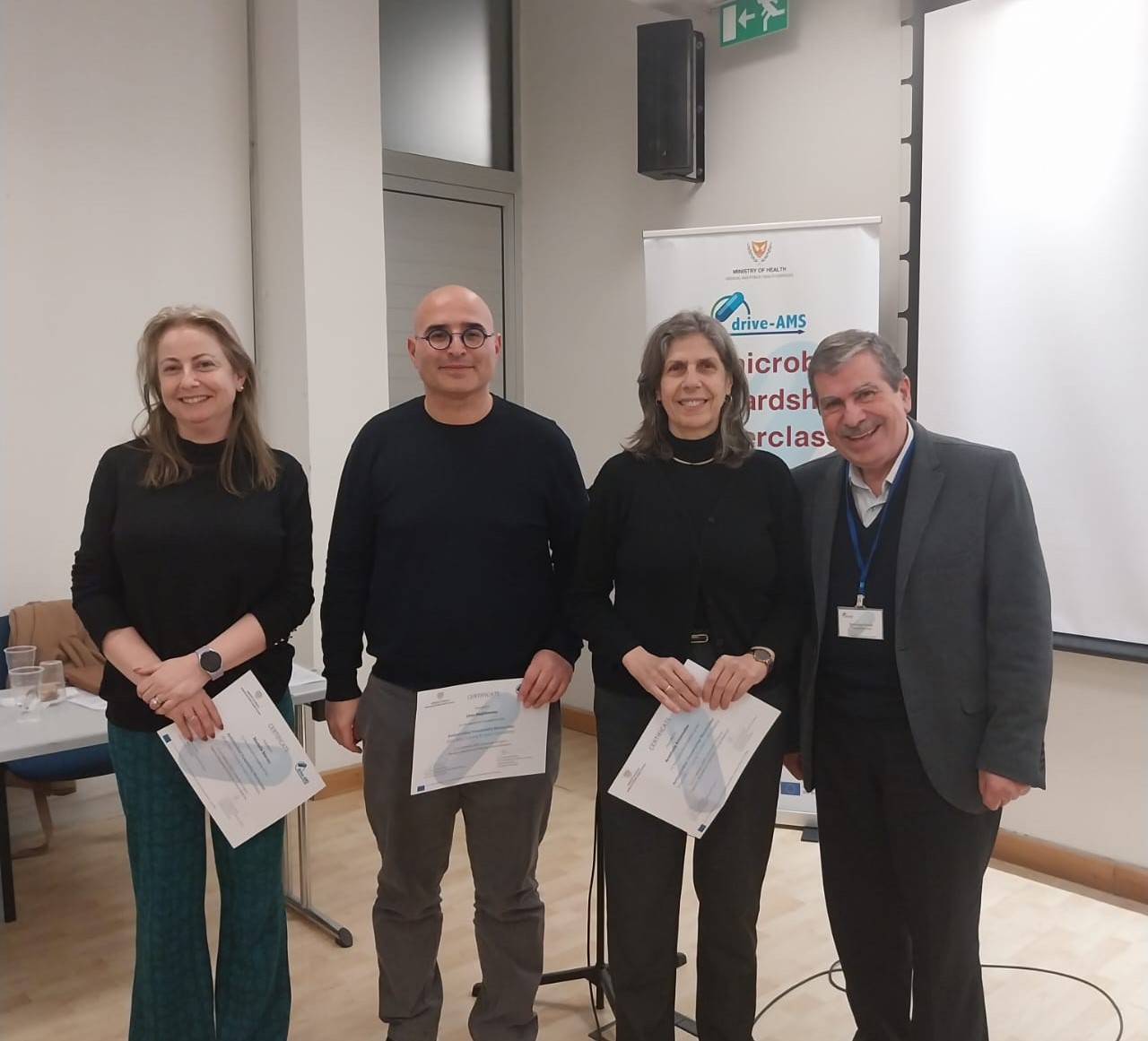
drive-AMS抗菌薬管理コースでキプロスのAMSチームを強化
2月13日から15日までの3日間、キプロス国内の8つの病院から38名の医療従事者がニコシアに集まり、drive-AMS抗菌薬管理コースを受講した。キプロス保健省が主催し、EU-JAMRAIが支援したこのイベントは、革新的なdrive-AMSの手法を地中海にもたらし、キプロスの病院に抗菌薬管理強化のための知識とツールを提供した。.

2月13日から15日までの3日間、キプロス国内の8つの病院から38名の医療従事者がニコシアに集まり、drive-AMS抗菌薬管理コースを受講した。キプロス保健省が主催し、EU-JAMRAIが支援したこのイベントは、革新的なdrive-AMSの手法を地中海にもたらし、キプロスの病院に抗菌薬管理強化のための知識とツールを提供した。.

抗菌薬耐性(AMR)は公衆衛生、特に虚弱な高齢者が感染症にかかりやすい長期療養施設(LTCF)において重要な課題となっている。特に尿路感染症(UTI)の疑いに対する抗生物質の過剰かつ不適切な使用は、多剤耐性菌の出現を助長し、患者の安全を脅かしている。.
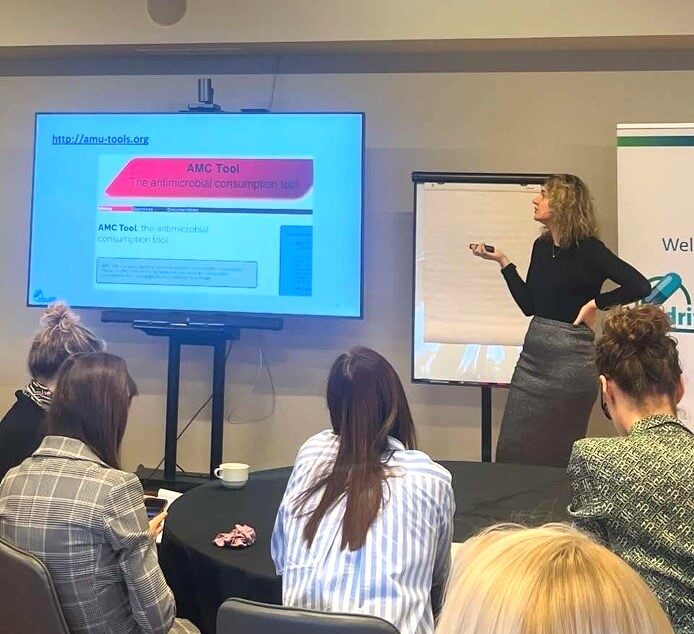
The second drive-AMS country course in Lithuania took place from 29 January to 1 February, bringing together 40 participants, including teams from four new hospitals and one new team from the University Hospital Pediatric Division. This course provided a vital platform for expanding AMS initiatives in Lithuania. Among the attendees was Eglė Karinauskė, an inspiring clinical pharmacologist dedicated to rational antibiotic prescribing. Known as the ‘AMR girl’ among her colleagues, Eglė is a passionate advocate for AMS, and in this interview, she shares her insights, experiences, and the impact of drive-AMS on her work.
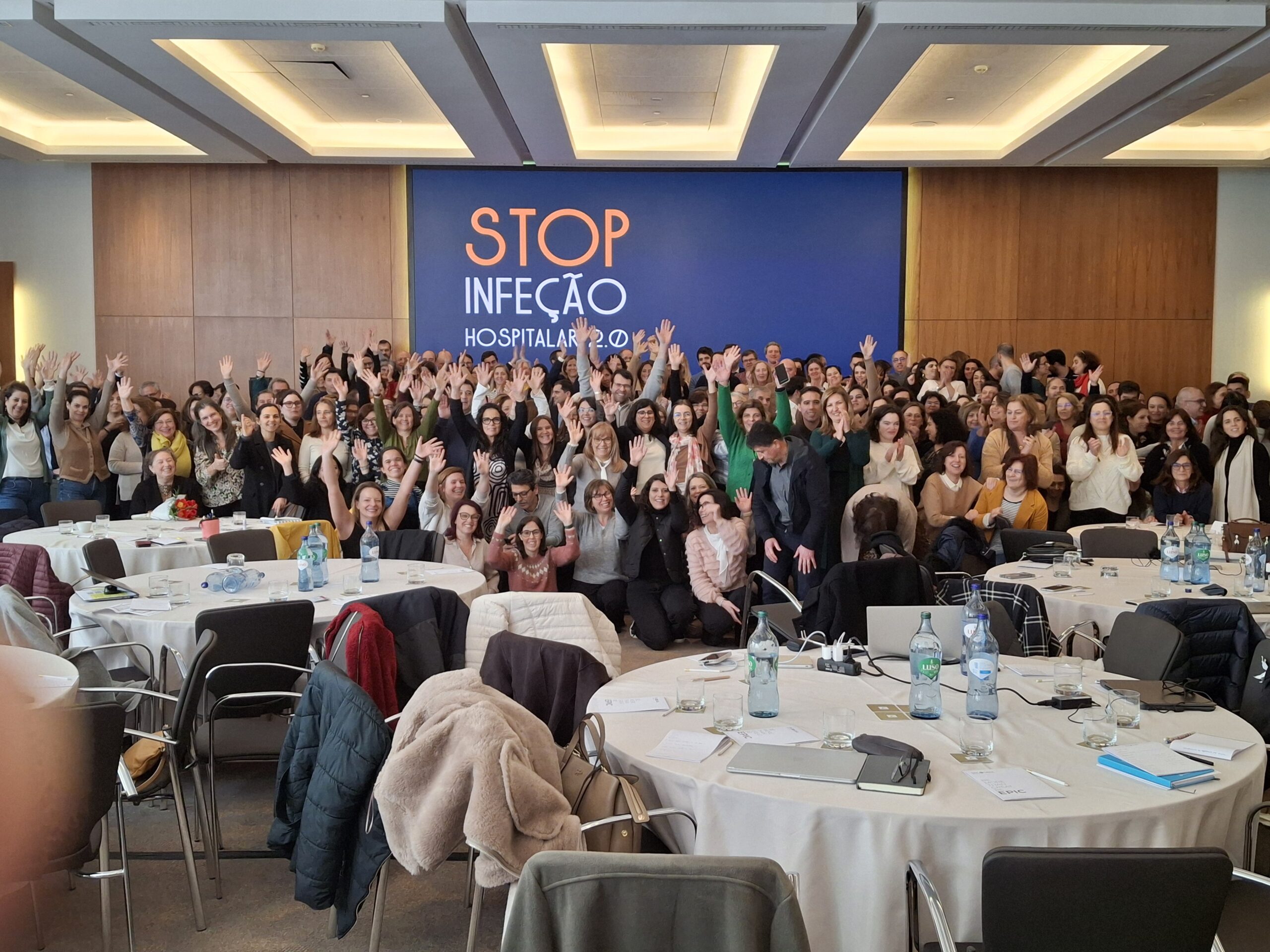
STOP-Hospital Infection is a quality improvement program developed by the Portuguese Health Priority Program on Prevention of Infection and Antimicrobial Resistance, seeded in the Directorate General of Health, in partnership with the Gulbenkian Foundation and with the support of the Institute of Healthcare Improvement.
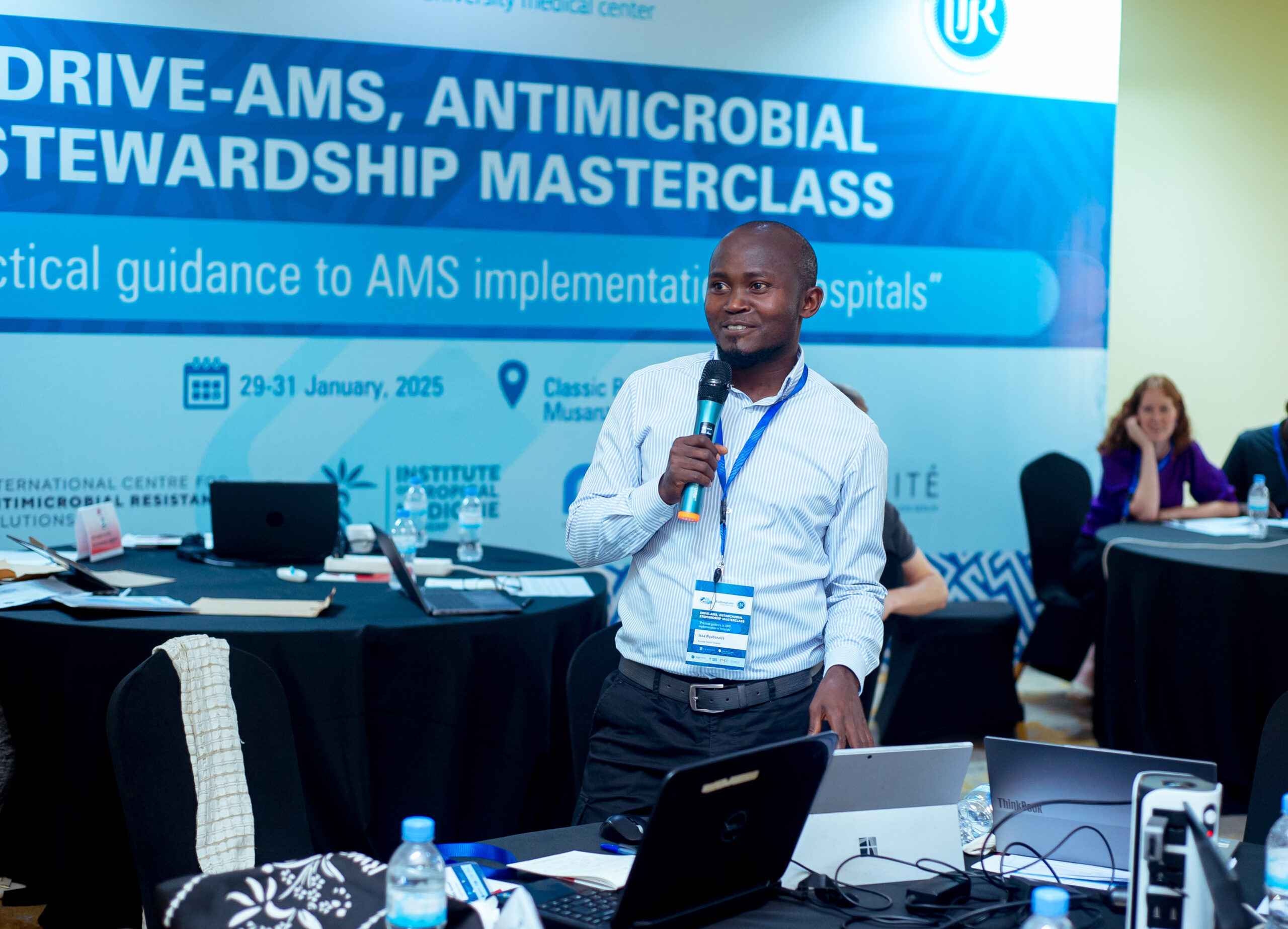
From January 29 -31, the second drive-AMS Masterclass for Rwandan hospitals took place in Kigali, bringing together teams from across the country for an intensive three-day training.
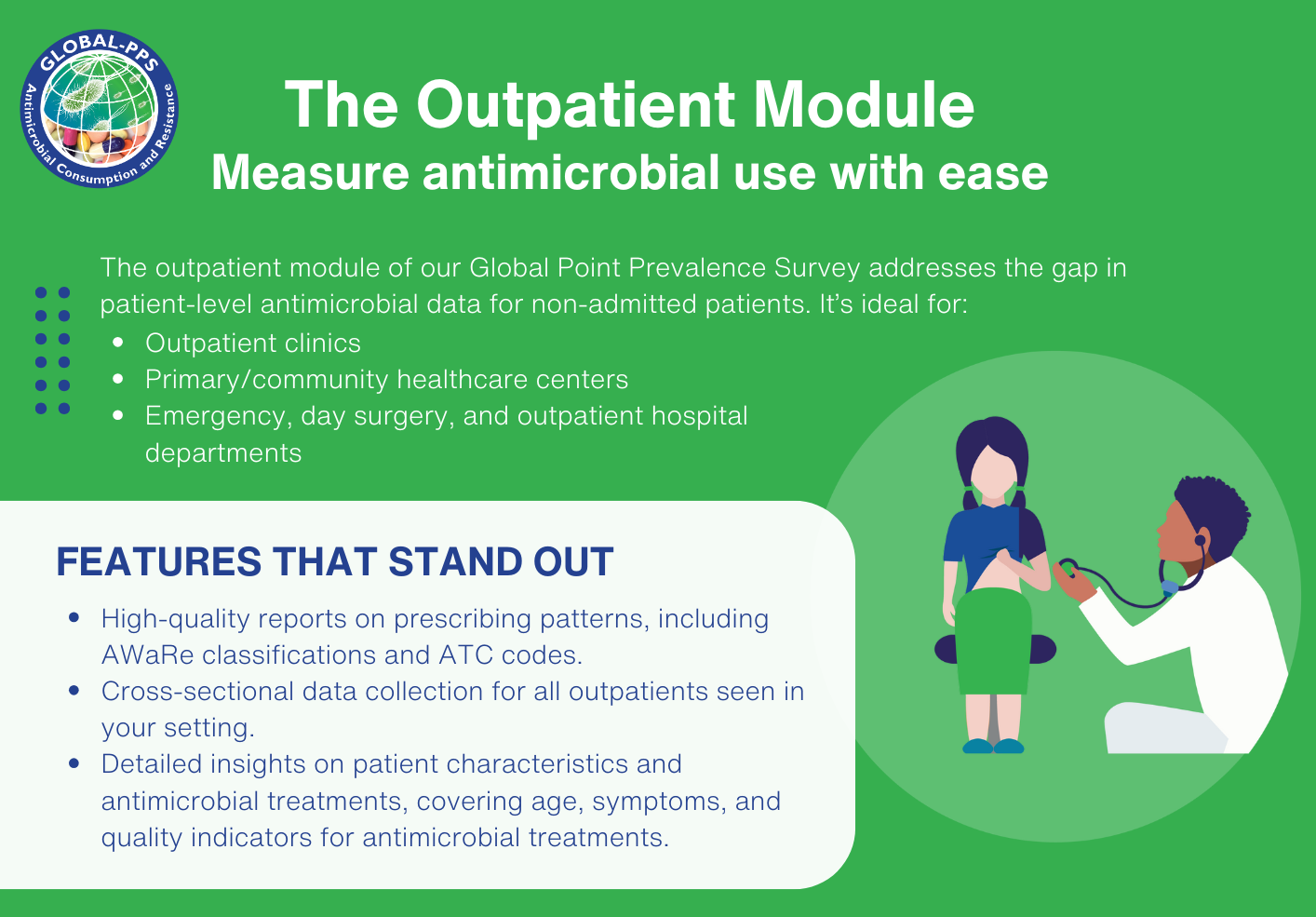
Global-PPS has launched the innovative Outpatient Module to bridge the gap in antimicrobial surveillance for non-admitted patients. Designed for outpatient clinics, primary care centers, and emergency departments, this module provides detailed insights into prescribing patterns, patient characteristics, and antimicrobial use trends.
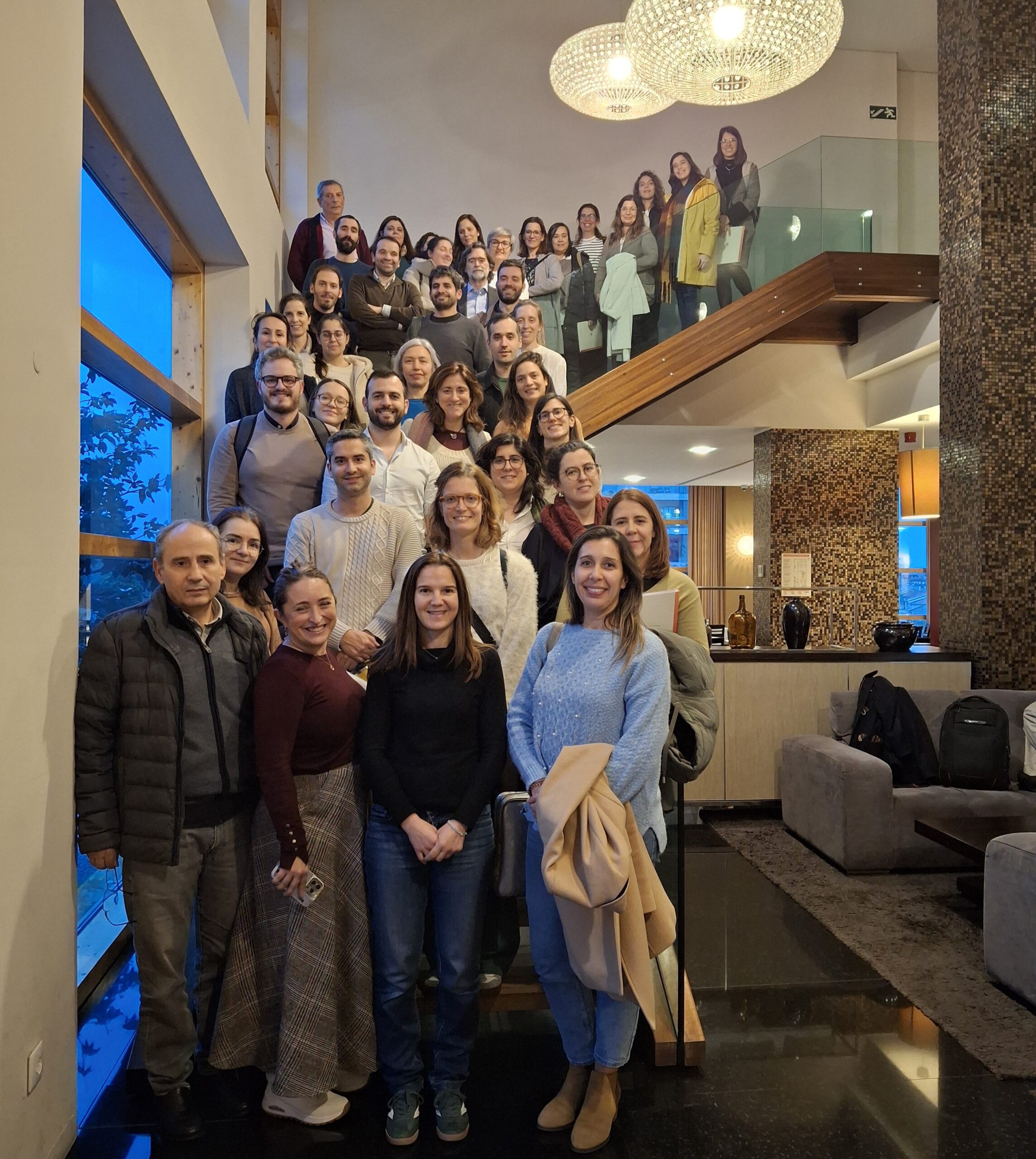
The third edition of the Portuguese drive-AMS training course recently took place, promoting strategies to support the prescription of antibiotics in eight national hospitals. It’s in line with the objective of the drive-AMS project to create measures in partner hospitals to combat antimicrobial resistance, through promoting behavioural change in prescribing doctors.
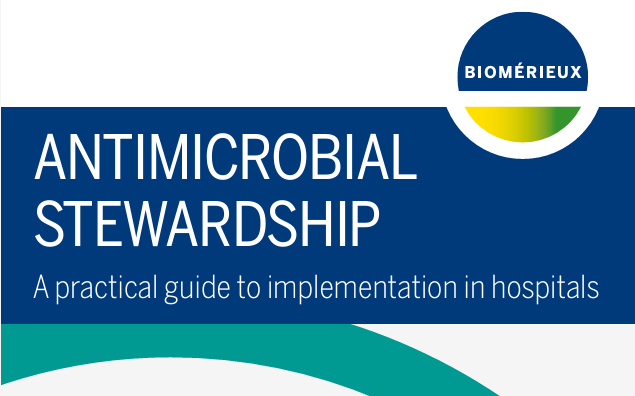
抗菌薬耐性(AMR)は、現代における最も差し迫った健康課題の一つであり、数十年にわたる医学の進歩を損なう恐れがある。これに対し、ラドバウド大学医療センターのdrive-AMSチームは、bioMérieux社との緊密な協力のもと、その豊富な経験を「抗菌薬管理(Antimicrobial Stewardship)」と題する包括的なガイドにまとめた:病院での実践ガイド "と題した包括的なガイドブックにまとめた。"
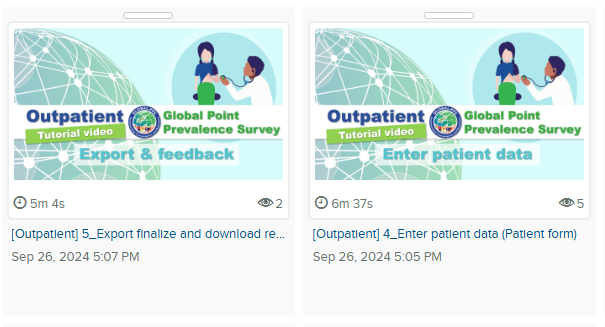
The Global-PPS team is excited to announce the release of new resources for the outpatient module, including tutorial videos and real-time feedback reports. The tutorial videos explain how to use the Global-PPS tool and enter your data. The real-time feedback report includes detailed personalized information on prescribing practices and quality indicators for the outpatient module of the Global-PPS.

The global fight against Antimicrobial Resistance (AMR) took center stage on 26 September 2024, at the United Nations General Assembly High-Level Meeting on AMR (UN Headquarters, New York, USA). This silent pandemic brought world leaders together for the second time to confront AMR and laid out a roadmap of political commitments.
drive-AMS and EU-JAMRAI2, the second phase of the European Joint Action on Antimicrobial Resistance (AMR) and Healthcare-Associated Infections, are aligning their efforts, recognizing that both initiatives share crucial goals. EU-JAMRAI2 is dedicated to assisting EU Member States in implementing targeted actions against AMR, with the ultimate goal of safeguarding public health on the continent.

As part of drive-AMS, the team at Radboud University Medical Center in Nijmegen, the Netherlands, is expanding their SPICE Expert Registry to Greece, Lithuania, Romania and Portugal. SPICE stands for Specialized Programme for Infectious Disease Care Everywhere
From 18 to 24 November, join us and the global community in the WHO World Antibiotic Awareness Week (WAAW). This annual campaign raises awareness about AMR and promotes best practices to reduce the emergence and spread of drug-resistant infections.
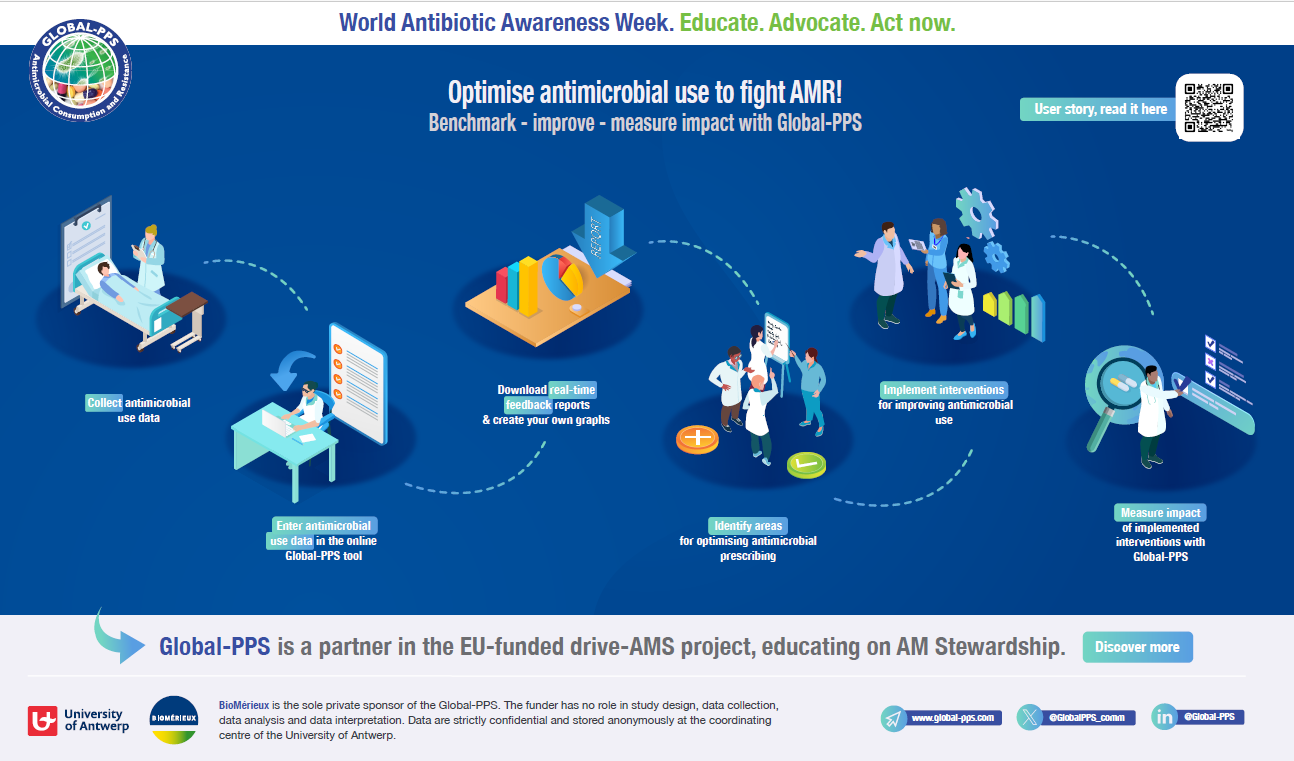
Today marks the start of the World Antibiotic Awareness Week (WAAW), an annual initiative led by WHO bringing attention to AMR and promoting best practices worldwide. This year’s campaign emphasises the importance of education and taking concrete actions to tackle this critical healthcare challenge.
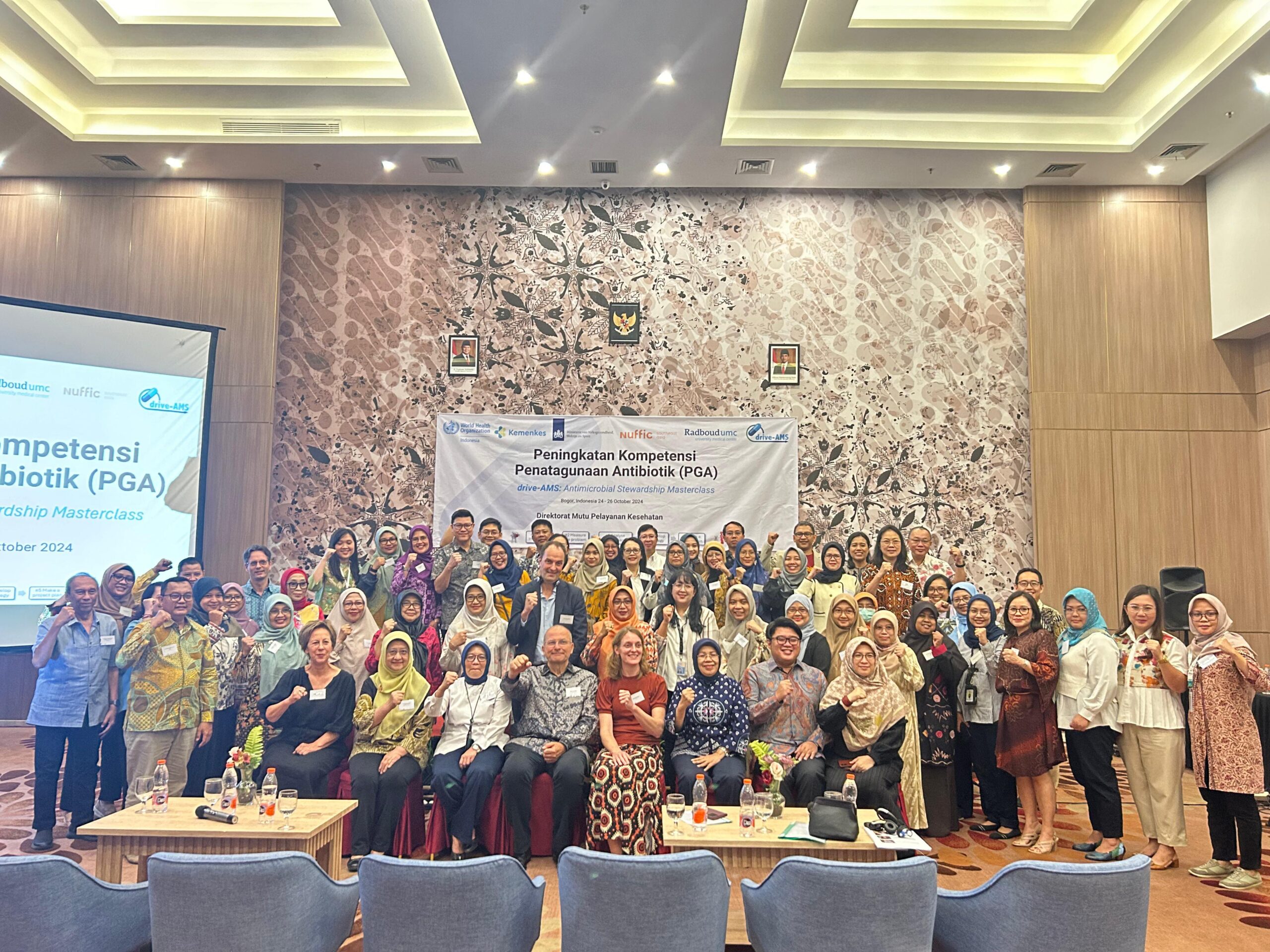
The drive-AMS methodology has successfully expanded beyond Europe, reaching both Africa and Asia. After having been implemented in Tanzania, drive-AMS’s distinctive approach, which combines antimicrobial use measurement, implementation support, and behavioural change, is now also active in Indonesia.

Birutė Zablockienė博士は、リトアニアで抗菌薬スチュワードシップ(AMS)を実施しているdrive-AMSチームの中心的なメンバーの一人です。このインタビューでは、抗菌薬耐性(AMR)と闘うための彼女の仕事についての洞察と、病院の複数の部門にわたって抗菌薬を適切に使用するためにチームが直面している課題について話しています。.

Meet Shaheen Mehtar, professor of Infection Prevention and Control in South Africa. As a founding member of the Infection Control Africa Network, she has played a pivotal role in shaping infection control practices across the continent. In this interview, Prof. Mehtar discusses her work with the Global Point Prevalence Survey, the successes and challenges of implementing antimicrobial stewardship programs, and her hopes for improving IPC efforts in both hospital and outpatient settings.
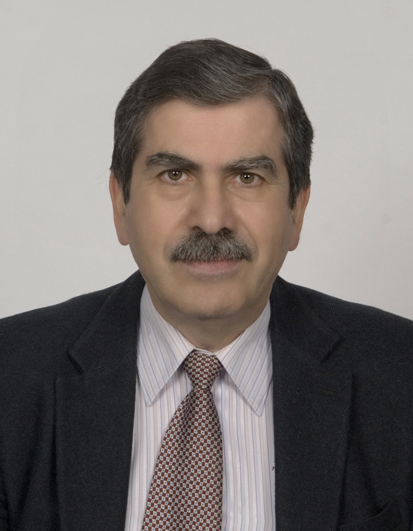
In this interview, Professor Emmanuel Roilides, the country lead for the drive-AMS project in Greece, discusses his commitment to combating antimicrobial resistance. He shares the significant progress made by the Greek drive-AMS network in promoting antibiotic stewardship across hospitals, highlighting the challenges and successes encountered along the way. Professor Roilides also outlines the future goals of expanding the network and gaining broader state recognition to enhance the fight against resistant infections.
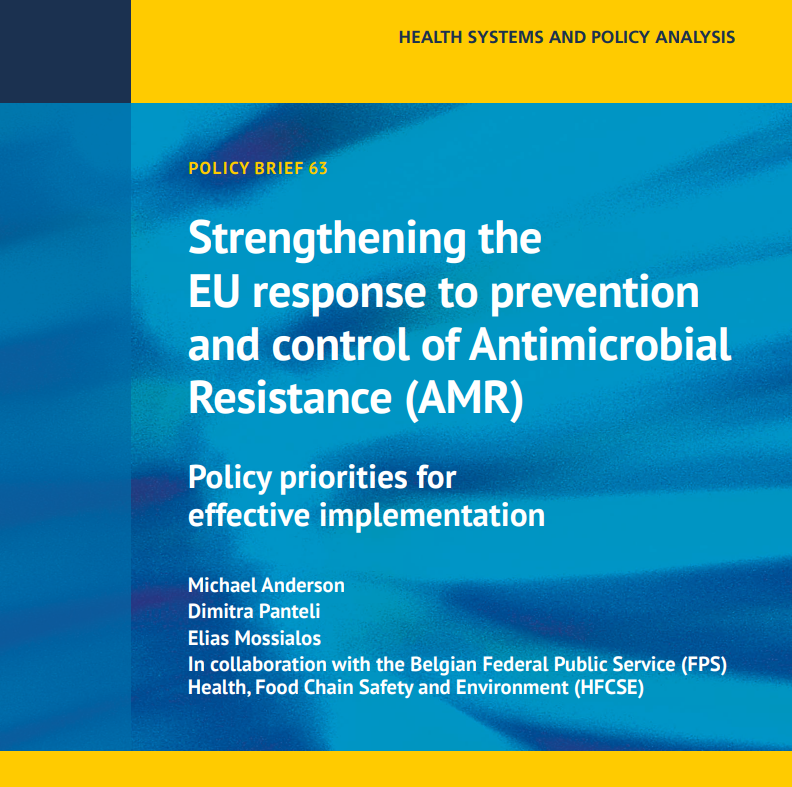
We are proud to announce that drive-AMS has been highlighted in the recent policy brief by the European Observatory on Health Systems and Policies, under the section “Boosting implementation of effective strategies to combat AMR.”

先駆的な病院疫学者であるビリャナ・カレビッチ博士は、感染制御と抗生物質スチュワードシップにそのキャリアを捧げてきた。このインタビューでは、ビリャナ氏が自身の仕事、セルビアとノルウェーにおける抗菌薬耐性(AMR)の課題、そして世界ポイント有病率調査(Global Point Prevalence Survey)への継続的な取り組みについて語る。.
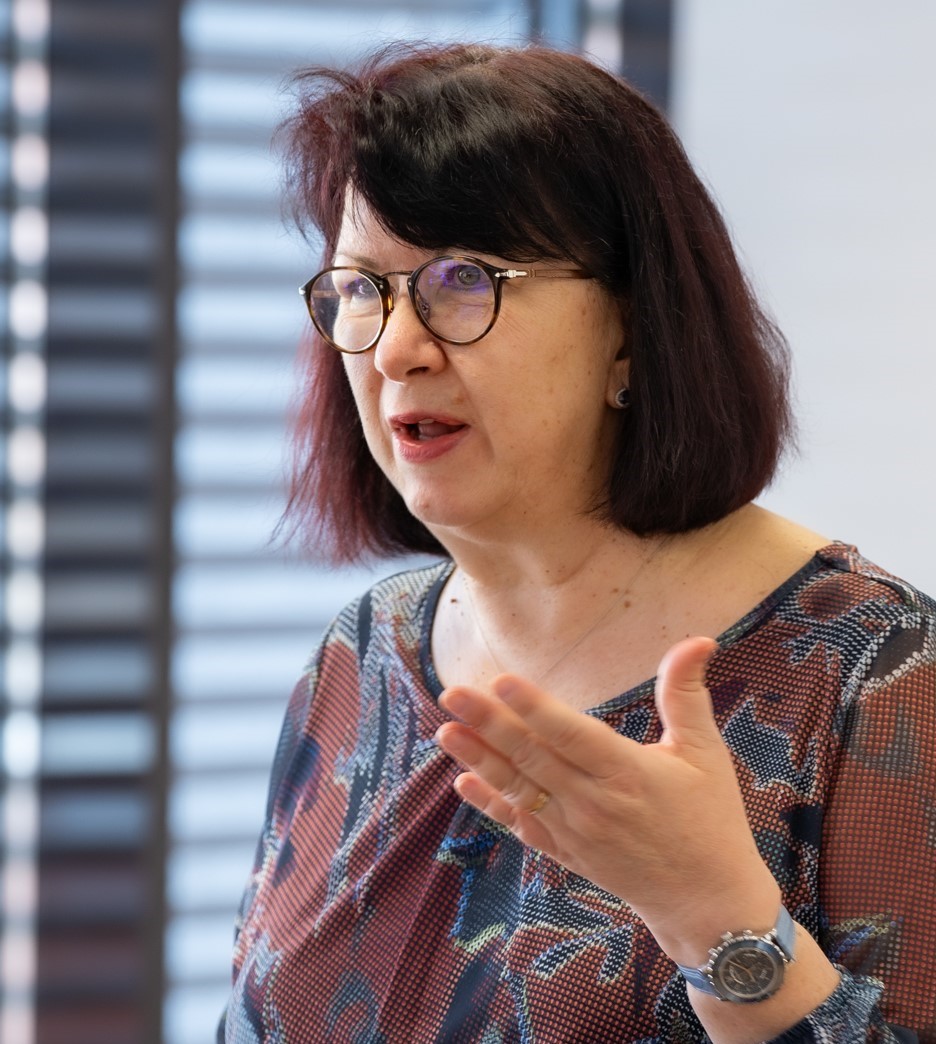
このインタビューでは、ルーマニアのdrive-AMSネットワークのリーダーであり、感染症学の教授であるミハエラ・ラプセが、ルーマニアの状況について語った。彼女は、AMRとの闘いにおける現在進行中の取り組みと、ルーマニアにおけるプロジェクトの設立について詳しく述べている。.

In this interview, Dr. Raquel Duro, member of the Portuguese drive-AMS team, elaborates on her role within the project, the AMS interventions in her hospital and how AMR has affected patients.
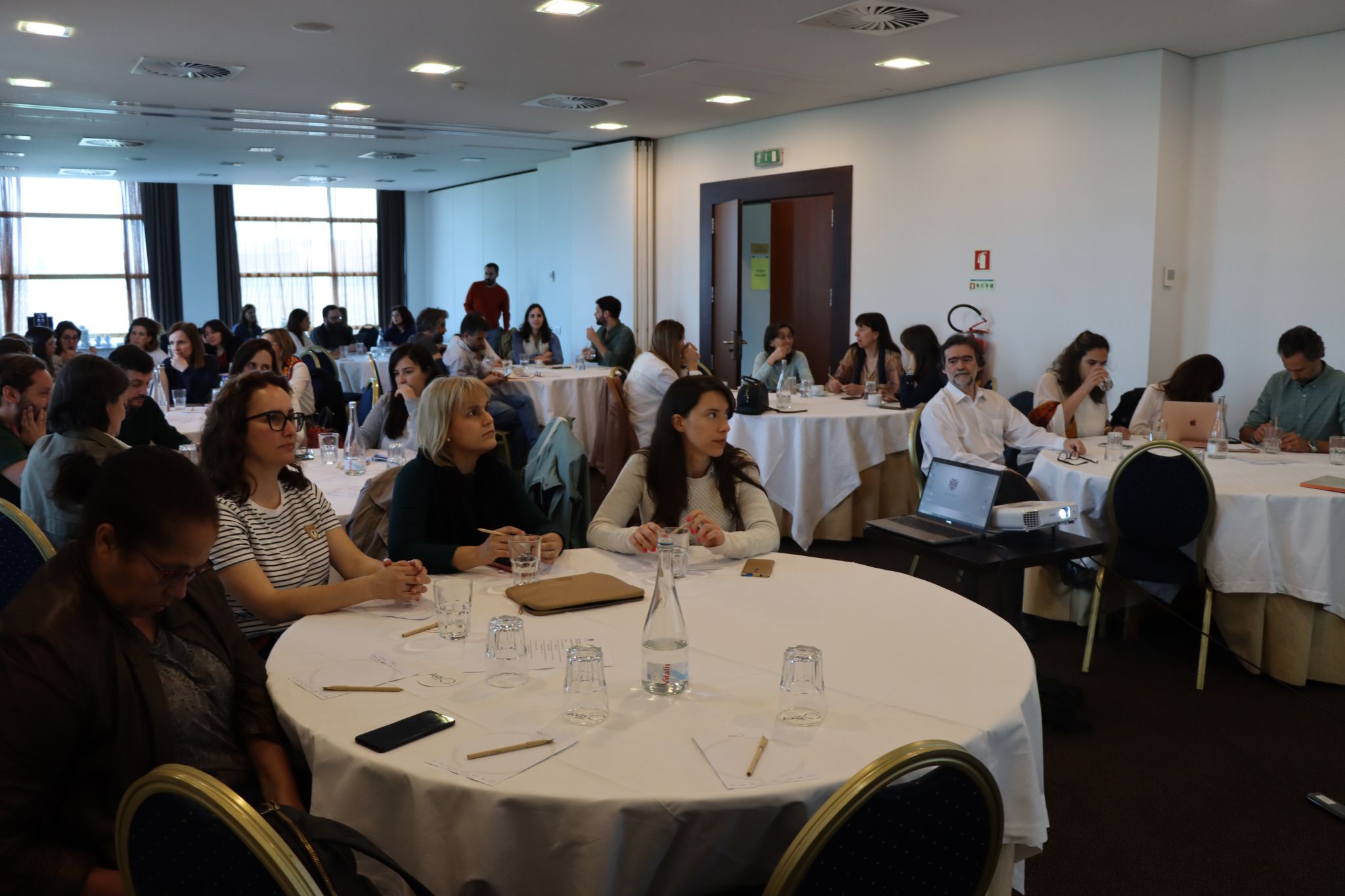
The second part of the course dedicated to antimicrobial stewardship, integrated into the European drive-AMS project, recently took place.
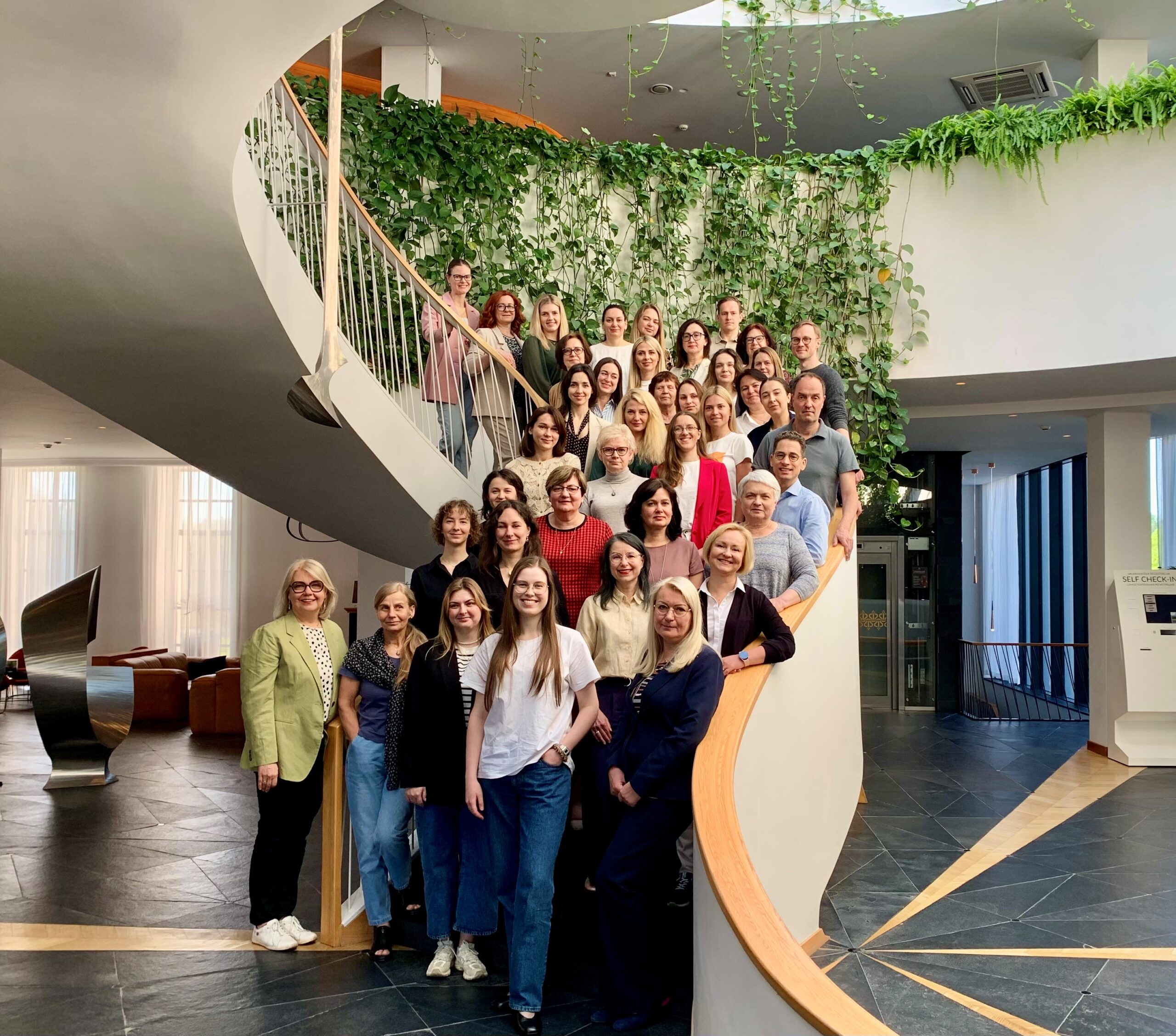
It’s the end of our drive-AMS in-country trainings! From 15 until 18 May, the final course took place in Birštonas, Lithuania, organised by dr. Rolanda Valinteliene from the Institute of Hygiene in Vilnius and her team. The four days included presentations and workshops providing deeper insights into antimicrobial stewardship: basic requirements, objectives, prescribing patterns in Europe, quantity & quality of antimicrobial use, determinants & barriers, behavioural change and more.
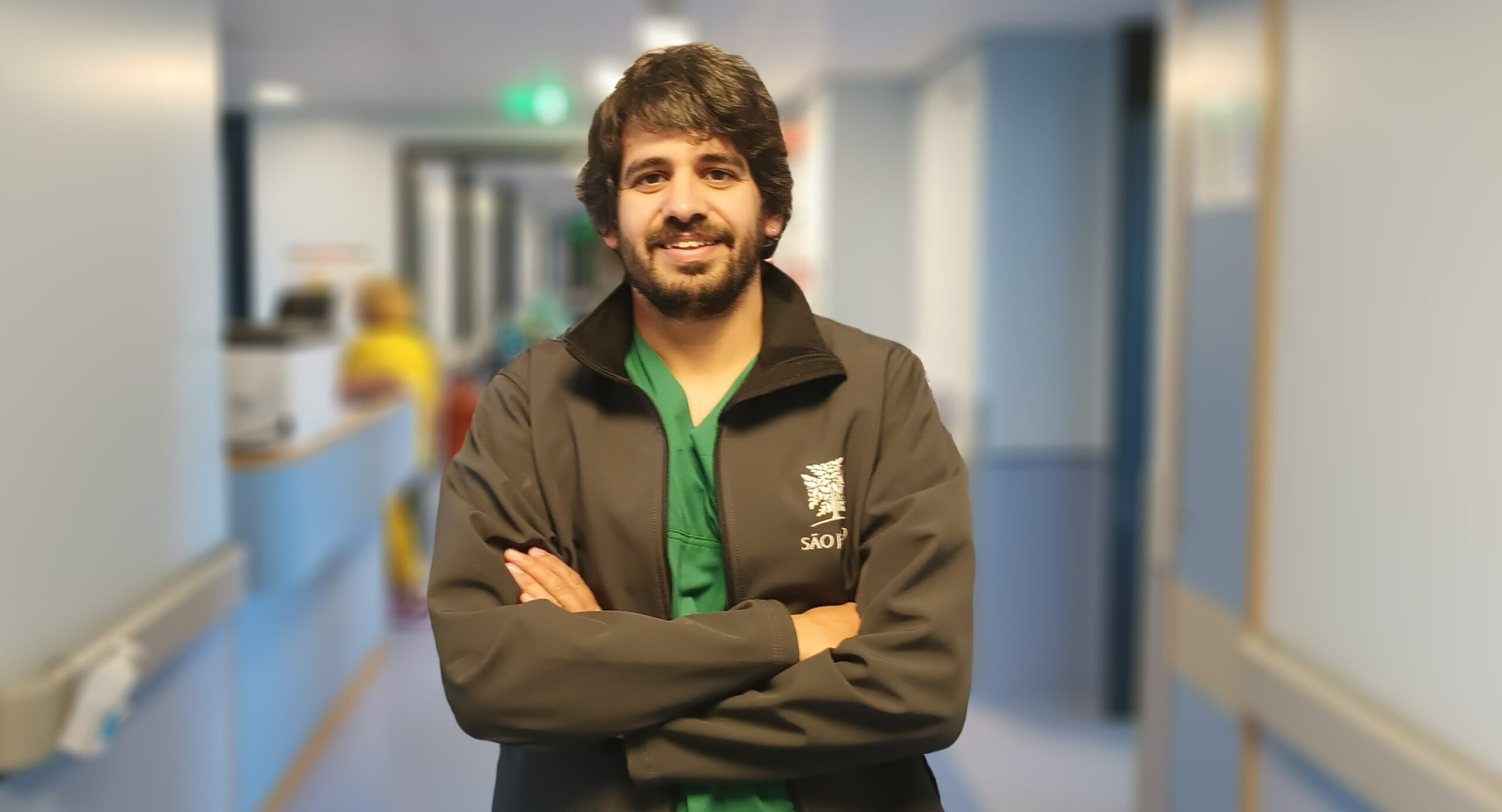
Dr. Francisco Almeida from the Infection Prevention and Control and Antimicrobial Resistance Unit (UPCIRA) of São João Hospital, in Porto, Portugal, was awarded with the first prize of the AMS Certificate Programme 2022-2024 from ESCMID. He received the award for a project within the scope of drive-AMS, an antimicrobial stewardship project, with European funding, coordinated in Portugal by São João Hospital and involving 7 more national health units.