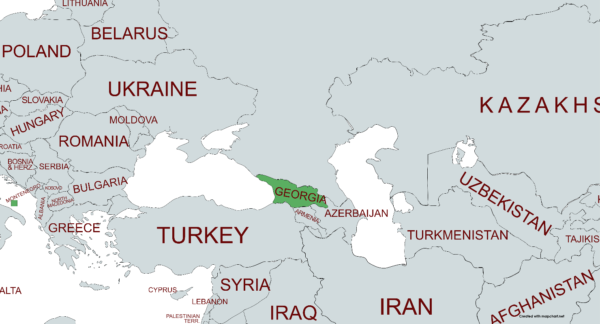
グルジアの病院における抗菌薬使用に関する研究
トビリシ国立医科大学の小児科医で講師のイルマ・コリンテリ博士は、2015年の当初からGlobal-PPSプロジェクトに参加している。今年初め、彼女はグルジアの病院における抗生物質の使用に関する博士論文の提出に成功した。以下、彼女の証言をお読みください!
Working on a PhD was a very important experience in my life as a doctor and researcher. Georgia was involved in the Global PPS project from the beginning. The first Survey with the Global-PPS protocol was performed in Georgian Hospitals in 2015 under supervision of Professor Karaman Pagava from Tbilisi State Medical University in collaboration with Professor Herman Goossens and Ann Versporten from the University of Antwerp.
I was involved in this project with Prof. Pagava as a researcher. From this point a very interesting and challenging experience has started for me. First, I would like to mention the Global PPS collaboration team. They have been very supportive of me and other project participants. The protocol was being permanently updated, tools were easily understandable and facilitated the research process. The recently updated protocol is very exquisite. It makes data collection more accurate and provides better evidence. The research process does not require big material or human resources. This is comfortable and cost-effective for researchers. The study with Global PPS methodology was conducted in many countries around the world. The results are summarized by geographical regions. This allows us to compare our survey data to different regions.
The Global-PPS Method is an innovative approach for quantitative research to identify general clinical aspects of antibiotics using in hospital settings and it’s a very effective way to plan activities for antibiotic stewardship.
My PhD study was performed in Georgia over 3 years. The Global PPS method was used to determine clinical aspects of antibiotic prescribing in hospitals. A total of 21 hospitals were studied. We have revealed antibiotic prevalence rates in Georgian hospitals and commonly used antibiotic groups in different wards. We also assessed prophylactic duration, guideline implementation in the treatment process and stop/ review date after 72 hours of treatment and other clinical findings. The results were summarized by years and recent trends were identified. Based on our results and in collaboration with the Global PPS team we have published many interesting publications in various impact factor journals.
In our PhD study, also were analyzed 2012-2019 outpatient antibiotic using data of Georgia, according to the WHO Anatomical Therapeutic Chemical (ATC) /Defined Daily Doses (DDD) methodology and expressed in DDD/1000inhabitants/day (DID). To investigate AB knowledge, attitudes and behaviors in the country we used semi-structured interviews. A small part of our research was devoted to bacteriophages. The peculiarities of use of bacteriophages in Georgian physicians were studied.
The Global-PPS methodology is a great opportunity for young scientists. It is an easy, accessible, interesting and highly evidence-based methodology with a professional and friendly team.